
Introduction
A chiropractor in Singapore assesses your spine, joints, muscles, and nervous system to find what is causing your pain or stiffness, then treats it with hands-on techniques and movement-based advice. No drugs, no surgery. If you have been Googling “what does a chiropractor do” from your office chair or MRT seat, this article gives you direct, specific answers to the 15 questions Singaporeans ask most often about chiropractic care.
This guide covers musculoskeletal concerns: neck pain, lower back pain, sciatica, shoulder problems, posture-related discomfort, scoliosis, joint stiffness, and aging-related mobility loss. It does not cover emergencies, organ disease, or conditions that need urgent medical attention. If you are experiencing sudden severe pain, progressive weakness or numbness, or loss of bowel control, go to A&E first.
The audience here is broad: students with heavy bags, office workers locked in 10-hour desk marathons, pregnant women with pelvic pain, seniors climbing HDB stairs, and anyone who has ever wondered whether the “cracking” sound is safe. Your curiosity (and scepticism) is welcome.
Here is what you will learn:
-
How a chiropractor assesses you at the first visit, step by step
-
What a chiropractic adjustment actually is and what it feels like
-
Which conditions chiropractic care treats, and which it does not
-
How many sessions you will likely need, what they cost, and how insurance works in Singapore
-
What to expect at Everton Chiropractic specifically, from pricing transparency to referral pathways

Understanding Chiropractic Care in Singapore
Chiropractic care focuses on how the spine and nervous system interact with your muscles and joints. When a spinal joint stops moving properly, the surrounding muscles tighten, nerves can become irritated, and pain or stiffness follows. Chiropractors focus on diagnosing and treating neuromuscular and musculoskeletal disorders using hands-on spinal adjustments, mobilisations, and practical advice on movement and ergonomics, and this care may also form part of broader support for certain musculoskeletal health problems. Chiropractors do not prescribe pharmaceutical drugs or perform surgeries.
Chiropractors in Singapore are classified under complementary and alternative medicine by the Ministry of Health (MOH). They work in private clinics, not public hospitals. Chiropractic care is not claimable under Medisave or CHAS, but many corporate and personal insurance plans reimburse outpatient chiropractic treatment. At Everton Chiropractic, the clinic focuses on evidence-informed, precision chiropractic for posture correction, pain relief, and long-term spinal function.
What Exactly Does a Chiropractor Do Day to Day?
Most chiropractors begin with consultation, assessment, treatment recommendations, and education. During a new-patient initial consultation (typically 45 to 60 minutes), the chiropractor takes a full medical history, evaluates posture, tests range of motion, runs orthopaedic and neurological checks, and reviews any existing X-rays or MRI reports. Chiropractors use a combination of hands-on techniques and lifestyle advice to manage conditions. On follow-up visits (20 to 40 minutes), the work shifts to targeted chiropractic adjustments, soft-tissue release, exercise prescription, and progress tracking.
The conditions that walk through the door in Singapore reflect how people here live: office workers with forward head posture from prolonged sitting at laptops, students carrying heavy school bags, Grab drivers sitting 8 to 12 hours a day, caregivers lifting elderly parents, and seniors with joint stiffness limiting their ability to climb stairs or carry groceries.
Key Principles Behind Chiropractic
Three concepts sit at the core of modern clinical practice. First, joint restriction: when a spinal or peripheral joint loses its normal range, the body compensates with altered movement patterns, leading to overload and pain elsewhere. Second, nerve irritation: reduced motion or misalignment near the cervical spine or lumbar spine may contribute to nerve interference or irritation of nearby spinal nerves, which can relate to referred pain such as sciatic leg pain from the lower back. Third, muscle guarding: the surrounding muscles around a restricted joint tighten protectively, creating a cycle of stiffness, tension, and more pain.
Modern chiropractic in Singapore is guided by current musculoskeletal and pain science. The older idea that a bone is simply “out of place” has been replaced by a focus on functional restriction and biomechanical dysfunction. Improving spinal function through targeted adjustments restores joint movement, reduces muscle tension, and helps the central nervous system process movement and pain more normally. For a deeper look at these mechanics, see our guide on why spinal adjustments restore function.
With that foundation, here is what actually happens when you walk into a chiropractic clinic for the first time.
What Happens When You Visit a Chiropractor in Singapore?
Your first visit is structured and unhurried. At Everton Chiropractic, an initial session runs 45 to 60 minutes, covering consultation, physical examination, and (if appropriate) a first adjustment.
1. How Does a Chiropractor Assess You at the First Visit?
You start with a registration form covering personal details, health history, current medications, and previous injuries. The chiropractor then asks targeted questions: Where is your pain? When did it start? What makes it worse or better? What does your work setup look like? Do you exercise? How is your sleep quality?
Next comes the physical examination. This typically includes posture photographs, range of motion tests (how far you can turn your neck, bend forward, rotate your trunk), orthopaedic tests for specific joint or disc problems, and neurological screening (reflexes, sensation, muscle strength). For patients with a history of trauma, suspected disc injuries, or progressive weakness, the chiropractor may review existing imaging or refer for X-rays or MRI. X-rays are not routinely required before chiropractic treatment; they are reserved for cases where red flags or structural questions exist. Some clinics may perform or recommend imaging to evaluate spinal alignment when clinically indicated.
At Everton Chiropractic, findings are explained in plain English before any treatment is offered. You will know what the chiropractor found, what it means, and what the proposed treatment plan looks like before anything else happens.
2. What Is a Chiropractic Adjustment and What Does It Feel Like?
A chiropractic adjustment is a precise, controlled movement applied to a specific joint to restore its motion and reduce irritation to surrounding tissues and nerves. The most common type is a high-velocity, low-amplitude (HVLA) thrust, a quick, small movement that often produces an audible “pop.” That sound is gas releasing from the joint fluid, not bones grinding.
At Everton Chiropractic, the chiropractor can also use low-force instrument-based methods and gentle manual mobilisations, with or without any audible sound. Chiropractic techniques vary based on individual patient needs and conditions. In selected neck-related cases, upper cervical chiropractic care may be considered as a low-force or precision approach depending on the assessment.
Most patients describe feeling lighter, looser, and more mobile immediately after an adjustment. Some experience mild soreness, similar to post-exercise fatigue, for 24 to 48 hours. Adjustments are adapted for age and comfort: very gentle for children, low-force for seniors, and no aggressive rotational movements for anxious patients.
3. What Does a Follow-Up Chiropractic Session Look Like?
A follow-up runs 15 to 25 minutes. It begins with a brief check-in: how did you feel after the last session? Any changes in pain, mobility, or daily life? The chiropractor reassesses key movements (for example, neck rotation range, ability to sit-to-stand without pain, walking tolerance), delivers targeted adjustments, and may add soft-tissue work or prescribe exercises.
Care is progressive. When the care plan matches the diagnosis, some patients report significant improvement over the first few follow-up visits. Everton Chiropractic tracks progress using measurable markers and patient feedback, so both you and the chiropractor can see whether the care plan is working.

The 15 Most Asked Questions About Chiropractors in Singapore: Clear Answers
The following 15 questions are the ones Singaporeans most frequently ask Everton Chiropractic online, by phone, and in the clinic. Each answer is written to be direct and specific.
Q1. What Conditions Do Chiropractors Commonly Treat in Singapore?
Chiropractors commonly treat lower back pain, neck pain, and headaches. Beyond those three, a typical caseload includes sciatica, disc bulge or herniation, shoulder pain, knee pain, tension headaches, posture issues, scoliosis, pregnancy-related back pain, and age-related joint stiffness or balance concerns.
Chiropractic care focuses on neuromusculoskeletal conditions. It does not treat internal organ disease, infections, or emergencies. Chiropractic care is not suitable for serious medical conditions requiring immediate medical attention.
Q2. Do Chiropractors Only Treat Back Pain?
No. A chiropractor’s scope covers the musculoskeletal system broadly. Concrete examples: shoulder impingement from swimming laps at Toa Payoh pool, desk-related neck discomfort and jaw tension in CBD office workers, thoracic stiffness affecting breathing comfort in post-COVID recovery, knee overload in recreational runners training for the Standard Chartered Marathon.
The spine often influences these areas through nerves, posture, and movement chains. That is why chiropractors assess spinal alignment even when your complaint is in a limb or joint away from the back. Chiropractic care can enhance athletic performance and recovery, making it relevant for sports injuries and not only chronic pain.
Q3. Is Chiropractic Care Safe in Singapore?
Chiropractic care is generally safe when performed by a properly trained, qualified chiropractor. Side effects are usually mild and short-lived: mild soreness, temporary stiffness, or slight discomfort that resolves within a day or two. Serious complications are rare in the published literature.
Safety starts with thorough assessment. Every patient at Everton Chiropractic is screened for red flags: sudden severe pain, progressive neurological deficits (weakness, numbness), bowel or bladder changes, unexplained weight loss, or fever with back pain. High-risk cases are referred to GPs, orthopaedic specialists, or A&E rather than adjusted.
MOH has noted that chiropractic services are not considered high risk at present. Complaints to MOH (averaging about 4 per year over a five-year period as of 2019) have related mainly to advertising, misleading titles, and refund disputes, not treatment injuries.
Q4. Does Chiropractic Treatment Hurt?
Adjustments are designed to be comfortable. Many patients describe a feeling of release or relief, not pain. If you are nervous, Everton Chiropractic can start with very gentle, low-force chiropractic techniques (such as instrument-assisted adjustments) and build trust gradually before progressing.
Normal post-treatment soreness is similar to what you feel after a new workout: a dull ache in the treated area that fades within 24 to 48 hours. Ice, light movement, and hydration help. If soreness intensifies or you notice new symptoms (sharp pain, numbness, dizziness), contact the clinic.
Q5. How Many Sessions Will I Need Before I Feel Better?
Ranges depend on the problem. Acute, simple musculoskeletal issues (a stiff neck from sleeping wrong, a mild low-back strain) often show improvement in 3 to 6 visits. Chronic pain or long-standing conditions (disc bulge present for years, chronic postural dysfunction) may require 8 to 16 or more sessions over several weeks.
Factors that affect speed of recovery: how long you have had the problem, your age, work demands (a construction worker versus a retiree), exercise habits, and how closely you follow the practical advice given. Everton Chiropractic sets clear checkpoints at 4 to 6 visits to review progress and adjust the care plan if the expected improvement is not happening.
Q6. How Often Should I See a Chiropractor?
The answer changes as you improve. A common pattern:
-
Acute phase: 2 to 3 visits per week for 1 to 2 weeks, focusing on pain relief and restoring basic joint movement
-
Stabilisation phase: weekly or fortnightly visits as function improves and symptoms reduce
-
Maintenance (optional): monthly or as-needed visits to maintain spinal health, similar to regular dental check-ups
Frequency is based on condition severity, your goals (getting out of pain versus training for a triathlon versus aging with independence), and how your body responds. Patients at Everton Chiropractic are not pressured into fixed long-term commitments. For more detail, see our guide on how often to see a chiropractor.
Q7. Will I Have to Go to a Chiropractor Forever?
No. A defined treatment plan targets your specific problem. Once the problem resolves or stabilises, you can stop. Optional ongoing care for prevention and wellness is just that: optional. Think of it the way you think about going to the gym. Nobody forces you to keep going, but regular movement keeps you functional.
A typical patient journey: arrive in a pain crisis, complete 6 to 12 sessions to resolve it, return to comfortable daily life, and choose whether periodic “tune-up” visits suit your lifestyle. Chiropractic care should be part of a sensible plan including activity and self-management.
Q8. Do Chiropractors in Singapore Need a Licence or Specific Qualifications?
Chiropractors in Singapore are self-regulated without statutory registration. There is no government-issued licence for chiropractors here. However, most practising chiropractors hold overseas university degrees (from Australia, the US, or the UK) requiring a minimum of 4 to 5 years of full-time study, including thousands of supervised clinical hours.
Credible chiropractors are typically members of professional bodies such as the Chiropractic Association (Singapore) or the Alliance of Chiropractic Singapore. It is important to verify a chiropractor’s qualifications and training before treatment. At Everton Chiropractic, the team holds accredited overseas chiropractic degrees with post-graduate training in posture and neuromusculoskeletal care.
Q9. What’s the Difference Between a Chiropractor, Physiotherapist, and TCM in Singapore?
|
Criterion |
Chiropractor |
Physiotherapist |
TCM Practitioner |
|---|---|---|---|
|
Main focus |
Spinal and joint alignment, nervous system function |
Exercise rehabilitation, movement retraining, modalities |
Acupuncture, cupping, herbal medicine |
|
Primary treatment methods |
Spinal manipulation, hands-on treatment, posture correction |
Therapeutic exercise, manual therapy, ultrasound/heat |
Needling, herbal prescriptions, cupping |
|
Regulation in Singapore |
Self-regulated (CAM category) |
Registered under AHPC (statutory) |
Regulated under TCMP Board (statutory) |
|
Typical visit focus |
Adjustments to restore joint movement; ergonomic advice |
Progressive exercise programme; manual therapy |
Meridian-based diagnosis; herbal/acupuncture treatment |
Chiropractors focus more on spinal and joint alignment than physiotherapists, while physiotherapists tend to emphasise exercise rehabilitation. Spinal manipulation provides benefits similar to physical therapy for low back pain, and many patients use both. Everton Chiropractic works alongside medical doctors and physiotherapists when a combined approach serves the patient better. For a detailed comparison, read our article on chiropractic care vs. physiotherapy in Singapore and our TCM vs. chiropractic adjustments guide.
Q10. Can Chiropractic Help Scoliosis, Sciatica, and “Slipped Disc”?
Scoliosis is an abnormal lateral curve of the spine, visible when standing. Chiropractic care can help manage scoliosis symptoms: reduce stiffness, improve posture, and slow progression in mild-to-moderate cases. Chiropractors use spinal adjustments for scoliosis treatment, often combined with exercises and posture education. Chiropractic care is not a universal solution for scoliosis; severe structural curves (above 40 to 50 degrees) may need orthopaedic bracing or surgery.
Sciatica is shooting pain, numbness, or tingling down one leg. Sciatica is often caused by nerve compression in the lumbar spine, typically from a bulging disc or narrowed spinal canal. Chiropractic adjustments can relieve sciatica symptoms effectively. Chiropractic care is evidence-based for treating sciatica pain. Chiropractic decompression techniques can reduce sciatic nerve pressure. Patients often report significant relief from sciatica after chiropractic care.
“Slipped disc” (more accurately, a disc bulge or herniation) occurs when the soft centre of a spinal disc pushes through a weakened outer layer, potentially compressing a nerve. Chiropractic treatment aims to reduce pressure on the disc and nerve through gentle adjustments, traction, and guided movement.
Everton Chiropractic’s approach: proper assessment including potential imaging, gentle progressive care, and willingness to co-manage with orthopaedic or neurosurgical specialists for complex cases. Chiropractors assess spinal alignment to treat scoliosis and track changes over time.
Q11. Is Chiropractic Suitable for Children, Seniors, or Pregnant Women?
Children: Pediatric chiropractic uses very low-force adjustments for children. Common reasons parents bring children in include posture-related discomfort from heavy school bags, sports strains, and growing pains. Techniques are age-appropriate; the force used on a young child is no more than what you would use to test the ripeness of a tomato.
Seniors: Chiropractic care can improve mobility in aging adults. Gentle chiropractic techniques are suitable for seniors with mobility issues, including osteoarthritis, reduced balance, and stiffness that limits daily tasks like climbing HDB stairs. Chiropractic adjustments can enhance joint movement and reduce stiffness. Regular chiropractic care may help maintain functional independence in older adults.
Pregnant women: Pregnancy shifts the body’s centre of gravity forward, increases lower back and pelvic load, and loosens ligaments through hormonal changes. Chiropractic care uses pregnancy-safe positions and methods (no lying face-down; specialised cushions or side-lying techniques). Communication with the patient’s OB/GYN or GP is maintained when needed.
Careful screening and thorough medical history review are essential for all three groups.
Q12. How Much Does Chiropractic Cost in Singapore, and Is It Covered by Insurance?
Typical cost ranges in Singapore:
|
Visit Type |
Typical Range (SGD) |
|---|---|
|
First visit (consultation + examination) |
$90 to $250 |
|
Follow-up adjustment session |
$80 to $160 |
|
Prepaid package (per session) |
$50 to $100 |
Clinics in premium locations (Orchard, CBD, inside medical centres) tend to charge at the upper end. Consultation fees at Everton Chiropractic sit in the mid-range with transparent, itemised pricing.
Chiropractic care is not covered by Medisave, MediShield Life, or CHAS. Many corporate and personal insurance plans do reimburse chiropractic under outpatient or alternative medicine riders. Always check your policy. Everton Chiropractic provides itemised receipts to support private insurance claims.
Q13. What Should I Expect and Bring to My First Chiropractic Appointment?
Practical checklist for your first visit:
-
Previous imaging: bring any existing X-ray or MRI reports (on disc or in your phone)
-
Medication list: names and dosages of current medications or supplements
-
Comfortable clothing: loose-fitting clothes that allow bending and movement (you stay clothed; no hospital gowns)
-
Your questions and goals: write down what you want to achieve (e.g. “walk 30 minutes without back pain,” “sleep through the night without neck discomfort”)
-
A companion (optional): you are welcome to bring a family member if that makes you more comfortable
At Everton Chiropractic, you will complete short registration paperwork, move to the consultation room, and begin your assessment. The entire first-visit process takes 45 to 60 minutes.
Q14. Are There People Who Should Not See a Chiropractor?
Yes. The following situations require medical care first, not chiropractic:
-
Recent serious accident with suspected fracture or spinal cord injury
-
Progressive weakness or numbness in arms or legs
-
Loss of bowel or bladder control
-
Unexplained weight loss
-
Fever combined with severe back or neck pain
Conditions that require modified or co-managed care include severe osteoporosis, active inflammatory arthritis, cancer with bone involvement, and prior spinal surgery. Everton Chiropractic screens for all of these before treating and refers to the appropriate healthcare professional when needed.
Q15. How Do I Choose the Right Chiropractor in Singapore?
Concrete criteria to evaluate:
-
Qualifications: verified chiropractic degree from an accredited university (4 to 5 years minimum)
-
Experience: ask whether the chiropractor has treated your specific condition (e.g. sciatica, scoliosis, disc injuries)
-
Communication style: your chiropractor should explain findings, answer questions, and not rush you
-
Pricing transparency: clear per-session fees, an approximate number of visits, and no hard-selling of large upfront, non-refundable packages
-
Willingness to refer: a good chiropractor will tell you if a GP, physiotherapist, or orthopaedic specialist is a better fit
Schedule an introductory visit, ask direct questions, and trust your own assessment of comfort and communication. Everton Chiropractic’s approach centres on precision assessment, clear education, personalised plans, and no pressure to buy large packages.
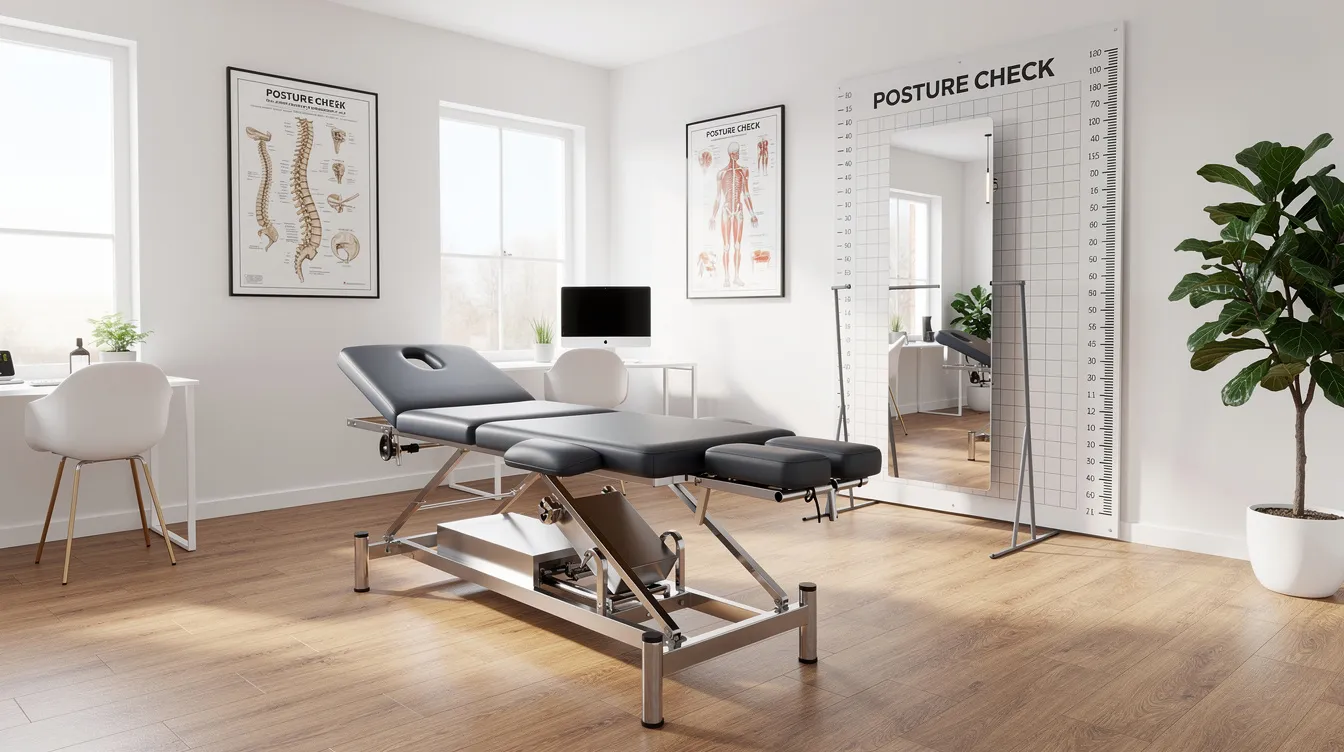
How Chiropractors Help: From Pain Relief to Long-Term Function
Pain Relief and Symptom Control
Chiropractic adjustments reduce muscle tension, restore joint movement, and calm irritated nerves. A 2019 BMJ systematic review involving over 9,000 patients found that spinal manipulation is recommended for low back pain and improves functional outcomes. Chiropractic care is evidence-based for managing musculoskeletal pain, is non-invasive and drug-free, and is effective for low back pain relief. Spinal manipulation can provide modest improvements in pain for lower back pain. Chiropractic care is evidence-based for neck pain relief; chiropractic adjustments can improve neck mobility and reduce pain. Neck pain can result from poor posture and muscle strain, and chiropractors assess neck pain through physical examinations.
Singapore-specific scenarios where patients seek pain relief: prolonged laptop work causing tech neck, nursing-shift workers on their feet for 12-hour stretches, Grab drivers with lumbar stiffness after 10 hours of sitting, and PSLE or JC students hunched over desks with heavy backpacks.
Posture, Alignment, and Office-Life Problems
Chiropractic treatment may help manage discomfort associated with prolonged sitting or poor posture. Chiropractors assess how posture affects symptoms and discomfort. Common findings: forward head posture (the head drifts 2 to 3 cm ahead of the shoulders, adding 4 to 5 kg of effective load on the cervical spine), rounded shoulders from hours of typing, and lower back strain from chairs that offer no lumbar support. Long periods of sitting can negatively impact posture and mobility.
Chiropractic care may include posture correction strategies and exercises. Chiropractic adjustments can improve spinal alignment and posture. Chiropractic care addresses posture-related problems using non-invasive techniques. At Everton Chiropractic, practical recommendations accompany every adjustment: desk height tweaks, screen positioning, micro-break routines (standing for 2 minutes every 30 minutes), and simple daily stretches. For a full breakdown, read our guide on the 8 best ways to correct posture.
Aging Well: Mobility, Balance, and Confidence
For older adults, the goal shifts from crisis management to sustained independence. Chiropractic adjustments support better posture and mobility. Chiropractic care improves joint movement and reduces stiffness. Getting up from a chair without bracing on the armrests, climbing HDB stairs without knee pain, carrying two bags of groceries from the market, playing with grandchildren on the floor: these tasks require spinal mobility, hip flexibility, and balance.
Chiropractic techniques can help alleviate movement-related discomfort in aging joints. Combined with balance training and core stability exercises, regular chiropractic care supports joint mobility and confidence in movement. Improving spinal alignment reduces compensatory strain and helps older adults stay active longer. Chiropractors assess spinal alignment to improve overall health, and proper spinal alignment supports nervous system function.
Common Challenges When Starting Chiropractic: and How to Handle Them
Many patients in Singapore share the same three concerns before their first chiropractic appointment. Here is each concern, followed by what to do about it.
Worry 1: Fear of “Neck Cracking” and Serious Complications
Online videos and secondhand stories make cervical spine adjustments sound dramatic. In reality, a trained chiropractor applies a controlled, small-amplitude movement. If you are uneasy, tell the chiropractor. At Everton Chiropractic, you can request non-rotational or instrument-assisted techniques for the neck, ask the chiropractor to demonstrate the movement on a model first, or start with non-neck areas to build trust before any cervical work.
Worry 2: Concern About Costs and Package Pressure
Some many chiropractic clinics in Singapore sell large, prepaid session packages upfront. Before committing, ask: What is the per-session fee? How many sessions do you estimate I will need? What is the refund policy? Everton Chiropractic uses transparent per-session pricing and does not require large, non-refundable package purchases. You pay as you go or choose small blocks if you prefer.
Worry 3: Uncertainty About Whether Chiropractic Is the “Right” Choice
Start with a thorough assessment, not a long commitment. A good chiropractor will tell you during the first visit if another provider (GP, physiotherapist, orthopaedic specialist) is more appropriate for your condition. Chiropractic care is not suitable for every health problem. Try a short, clearly defined trial of care (3 to 6 sessions) with specific, measurable goals (“reduce my neck pain from 7 out of 10 to 3 out of 10”), then review results before deciding on longer-term care. Chiropractors use hands-on spinal adjustments for treatment, and patient feedback at each visit keeps the plan accountable.
Conclusion and Next Steps
A chiropractor assesses your spine, joints, and nervous system, identifies what is restricted or irritated, and treats it with precise hands-on adjustments, movement coaching, and lifestyle advice. In Singapore, chiropractic care is a non-invasive, drug-free option for back and neck pain, sciatica, posture-related discomfort, sports injuries, joint stiffness, and age-related mobility loss. It is not a replacement for medical care when red flags are present.
Informed choice matters. Ask questions, verify qualifications, and look for a chiropractor who explains findings clearly and does not pressure you into large packages.
Your next steps:
-
Write down your symptoms, how long you have had them, and what you want to achieve
-
Gather any existing X-ray or MRI reports
-
Book an initial assessment to get a proper assessment and a clear explanation of findings
-
Commit to a short trial of care (3 to 6 sessions) with measurable goals
-
Review progress with your chiropractor and decide on next steps together
Want to know more about the team and approach? Learn more about Everton Chiropractic. Ready to take the first step? Book your initial consultation now.
Key Takeaways: What a Chiropractor Does, at a Glance
This summary captures the essentials for quick reference:
-
What chiropractors treat: Neck pain, lower back pain, sciatica, disc injuries, shoulder and knee pain, tension headaches, scoliosis, posture problems, pregnancy-related back pain, chronic pain, and age-related stiffness. Chiropractic care focuses on restoring spinal alignment.
-
How they assess you: Detailed health history, physical examination (posture, movement assessments, neurological screening), imaging review when clinically indicated.
-
How they treat: Chiropractic adjustments (controlled joint movements), soft-tissue work, exercise prescription, ergonomic advice. Treatment is hands-on, drug-free, and non-surgical.
-
Safety: Generally safe; side effects are usually mild soreness lasting 24 to 48 hours. Serious complications are rare. Proper screening rules out red-flag conditions.
-
Number of sessions: 3 to 6 visits for acute issues; 8 to 16+ for chronic conditions. Progress reviewed at clear checkpoints. No obligation to continue indefinitely.
-
Who it suits: Children, adults, seniors, pregnant women. Techniques adapted to age and comfort.
-
Cost in Singapore: First visits $90 to $250; follow-ups $80 to $160. Not Medisave-claimable; private insurance may cover. Everton Chiropractic provides itemised receipts.
-
Everton Chiropractic’s approach: Evidence-informed precision chiropractic, transparent pricing, no large upfront package pressure, referral pathways for complex cases.
Additional Resources and Where to Learn More
For those wanting deeper knowledge or reassurance beyond this chiropractor Singapore FAQ:
-
BMJ 2019 systematic review on spinal manipulation for low back pain (involved over 9,000 patients across multiple trials)
-
MOH Singapore: chiropractor regulation and consumer protection for the latest on regulatory developments
-
Everton Chiropractic guides: how to improve spinal mobility safely, neck pain and headaches, and improving spinal alignment through adjustments
Have a question not covered here? Contact Everton Chiropractic directly or browse the clinic’s condition-specific articles on neck pain, shoulder pain, and posture correction.